Do You Really Need an Umbrella on a Trip to London?
The Quick Verdict:
Most of the year you do not need any umbrella at all for a trip to London. It rains way less in London that most people would expect. The city actually gets less annual rain than Rome or New York, with most showers being a light drizzle and short lived. A compact, pocket umbrella or a lightweight waterproof jacket with a hood is much easier to manage on crowded sidewalks and busy Tube stations. And if you do get caught out, you can easily pop into any of the free museums or snag a cheap umbrella from any high street shop.
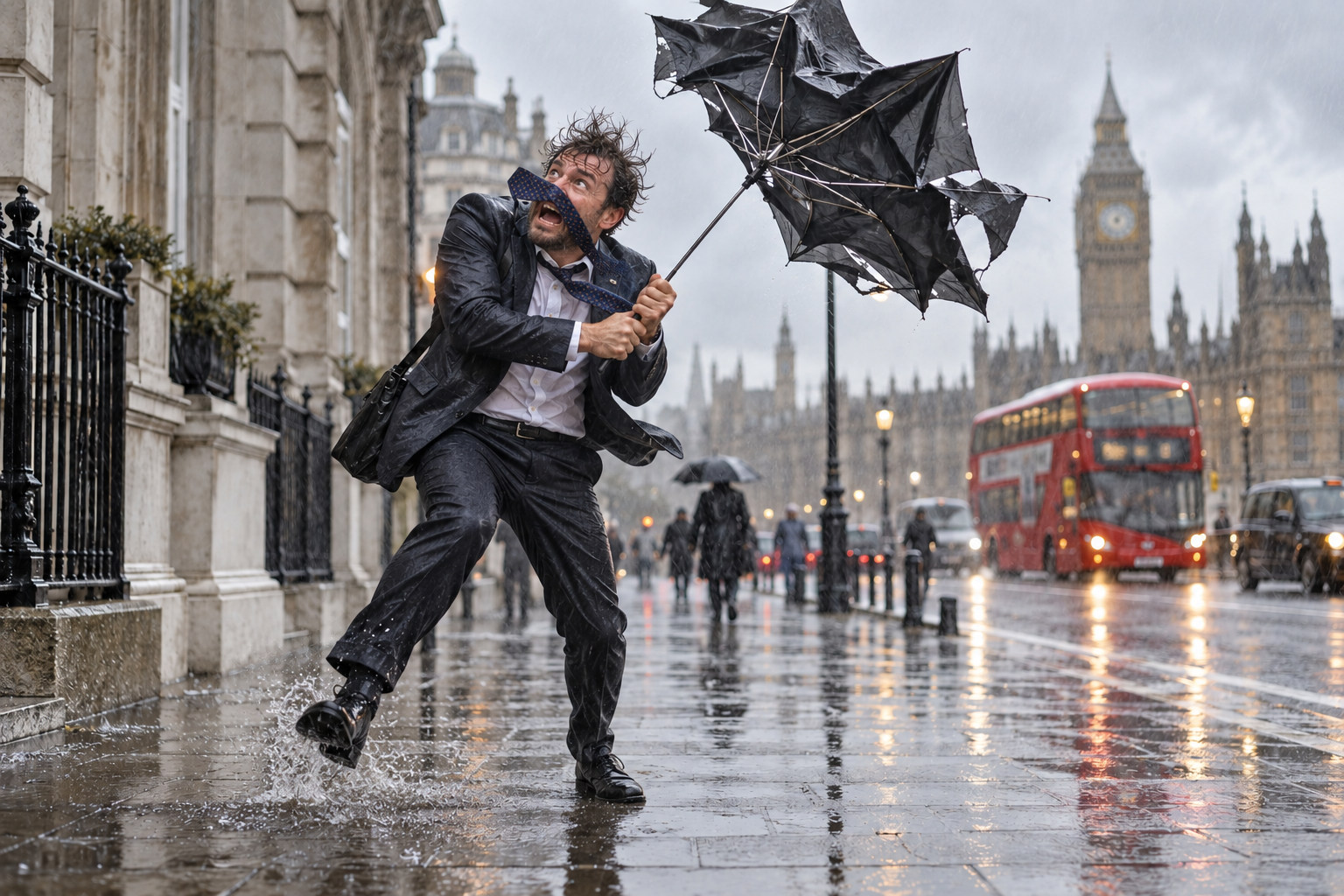
Planning a trip to London almost always starts with the exact same packing debate. You open your suitcase, stare at your trusty umbrella, and wonder if you will end up wrestling with it on a crowded pavement. The reputation of British weather precedes itself across the globe. We have all heard the tales of relentless grey skies and soaked shoes. But do you actually need to drag an umbrella halfway across the world?
If you really want to bring an umbrella with you, just don't take the giant one you are thinking of. As someone who walks these streets every single day, I am here to break down the reality of London rainfall, share some insider tricks, and help you save precious suitcase space.
The Ultimate London Rain Quiz: should you pack one or ditch it?
Before you shove three different umbrellas into your luggage, let us look at how London actually functions when water falls from the sky.
- Small, light, windproof, pocket umbrellas: Great for peace of mind if you plan to wander through parks all day.
- Large golf umbrellas: I would not recommend. You will accidentally poke some local in the eye on Oxford Street within five minutes.
- Waterproof rain jackets: The true winner for navigating tight tube stations, double decker buses, and narrow sidewalks hands-free.
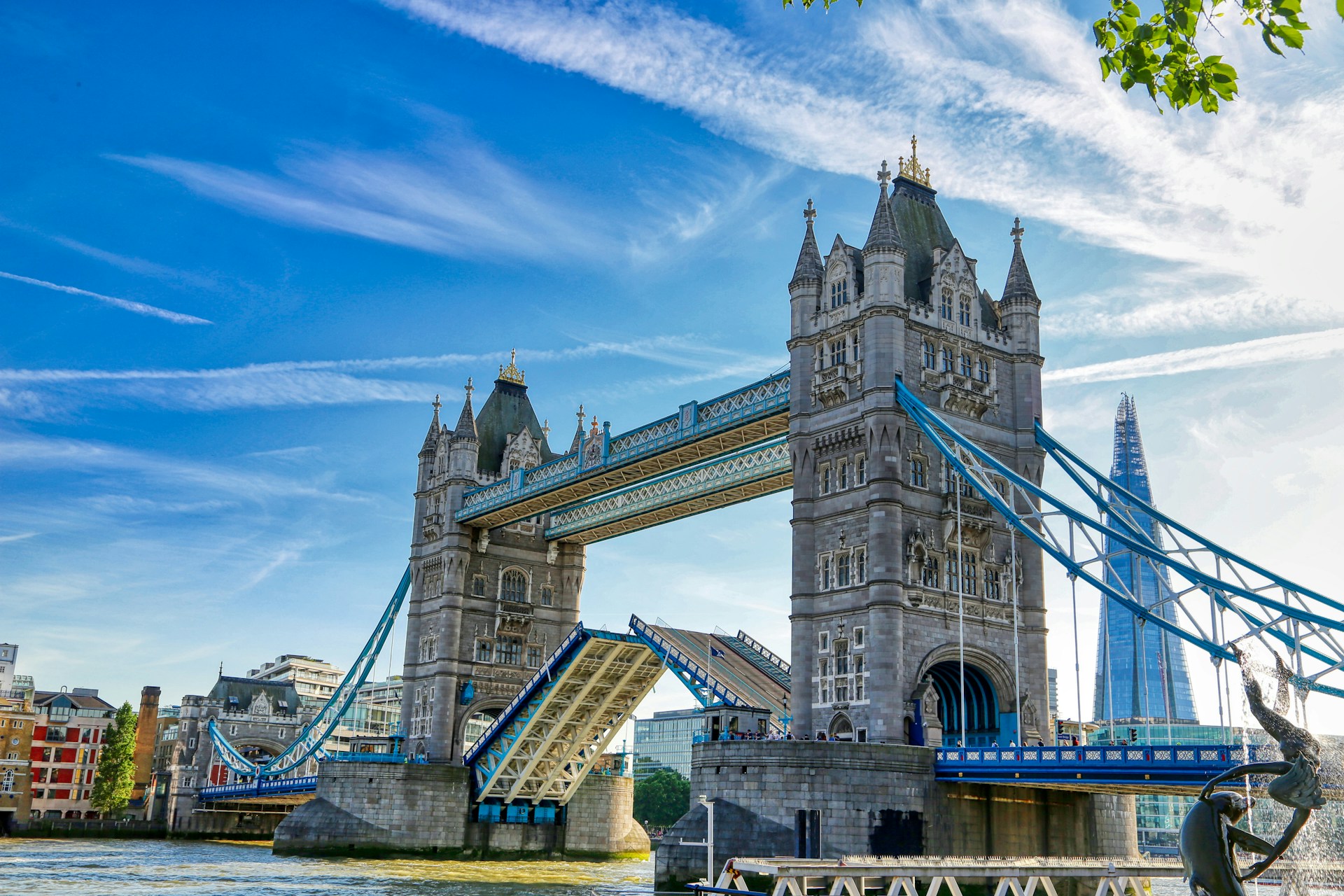 Tower Bridge in London
Busting the big London weather myths
There are plenty of stories about British weather that simply refuse to die. Let us set the record straight with some cold, hard and not-so-wet facts.
Myth 1: It always rains in London
This is easily the biggest misconception about the British capital. The truth is that London actually receives less annual rainfall than famous sunshine spots like Rome, Naples, or Sydney. It even gets significantly less rain overall than New York City.
Why does everyone think it is constantly pouring? London gets a higher number of grey, overcast days with light atmospheric moisture, which creates the illusion of constant wetness. In reality, you are far more likely to experience a brief damp mist than a tropical deluge.
Myth 2: London is the wettest place in the UK
If you think London is the rainy epicenter of Great Britain... luckily it is not. London sits in the southeast of England, which is genuinely one of the driest regions in the entire country.
Places like Manchester, Glasgow, and the Scottish Highlands receive vastly more rain each year due to western Atlantic weather systems. Furthermore, when it does rain in London, it often comes in rapid bursts lasting fifteen or twenty minutes, rather than the relentless, heavy downpours that can happen in Central Europe for three days straight.
Myth 3: A rainy day will ruin your sightseeing
Some travellers panic that rain will wipe out their itinerary. London is arguably built for grey days. Nearly all of the major museums (including the British Museum, National Gallery, and Natural History Museum) are completely free to enter. Combined with underground transit connections, covered historic arcades, and world-class theatre, you can spend a fantastic whole day in London without a single drop hitting your head.
London rainfall breakdown by season: what the data says
Understanding seasonal shifts helps you pack much smarter. Weather patterns in London fluctuate gently across the year rather than changing overnight.
Spring and Summer (March to August)
Spring brings rising temperatures and light spring showers that clear up fast. By the middle of summer, London can actually get surprisingly warm and dry. However, summer heat can occasionally trigger sudden afternoon thunderstorms, so having a light packable layer in your day bag comes in handy.
Autumn and Winter (September to February)
Autumn brings a slight uptick in rain. After a beautiful September weather, October and November historically record higher overall monthly precipitation numbers. Winter brings cooler breezes and occasional damp spells, though true snowfall remains quite rare in the London area. Some winter months can actually be more dry and sunny than November.
What weather data to check before your flight?
If you love looking at exact numbers before booking flights, you can dive straight into official meteorological records. According to long-term climate data tracked by the Met Office, London averages around 600 millimeters of rainfall per year, which makes it surprisingly dry for a north European capital. You can also explore detailed monthly heat maps and real-time radar forecasts provided by BBC Weather to check live conditions right before you board your flight.
Smart alternatives to your heavy-duty umbrella
If you want to move around like a local, consider leaving the umbrella at your hotel and trying these alternatives instead.
- The waterproof hooded jacket: a lightweight, breathable jacket with a sturdy hood is the ultimate London travel gear. It keeps your hands free to check map routes on your phone, hold a takeaway coffee, or snap photos of Big Ben. Plus, it will never blow inside-out when a sudden gust hits a street corner near the Thames.
- Layering like a pro commuter. London weather can be unpredictable. You might step out of the chill into a warm Underground train car within seconds. Wear breathable base layers underneath a water-resistant outer coat so you can adjust easily on the go. And if you're travelling to London for the first time, check our recommended hotels for first-timers.
- Ducking into museums, pubs, and roofed markets. When a passing shower starts, do what Londoners do: pop into the nearest cozy pub for a quick drink, explore Borough Market, or wander through a historic indoor arcade like Leadenhall Market (especially if you like bankers!) until the sun comes back out.
- Sunglasses. It's actually better to bring a pair of your favourite sunglasses, sometimes even in winter, than an umbrella.
Frequently Asked Questions about London weather
Which month rains the most in London?
October and November generally record the highest total precipitation levels of the year. From personal experience, I'd say end of November and beginning of December can be the most rainy. While the rest of the year is typically much drier, especially spring months like March and April.
Is a rain poncho better than an umbrella in London?
A rain poncho can feel too warm and a bit awkward on busy city streets, making a fitted waterproof jacket or a small, packable, small pocket umbrella a much better choice.
Is it easy to buy a cheap umbrella in London if I get caught out?
Yes, virtually every high street shops, souvenir stores, and pharmacies sell inexpensive umbrellas.
How accurate are London weather forecasts?
Local forecasts are generally accurate for same-day temperature trends, but quick passing clouds mean brief showers can pop up with little warning. You can always check one of the weather radar sites for accurate hour by hour sattelite data and navigate around rainy clouds.
Does the Tube get affected by rain?
The underground sections run normally regardless of weather, though Overground lines can occasionally experience mild delays during more heavy rain or even snow, which barely happens.